
REVIEW · PRIVATE DAY TRIPS BY CAR
From Hanoi: Sapa 3-Day Medium Trek and Limousine Trip
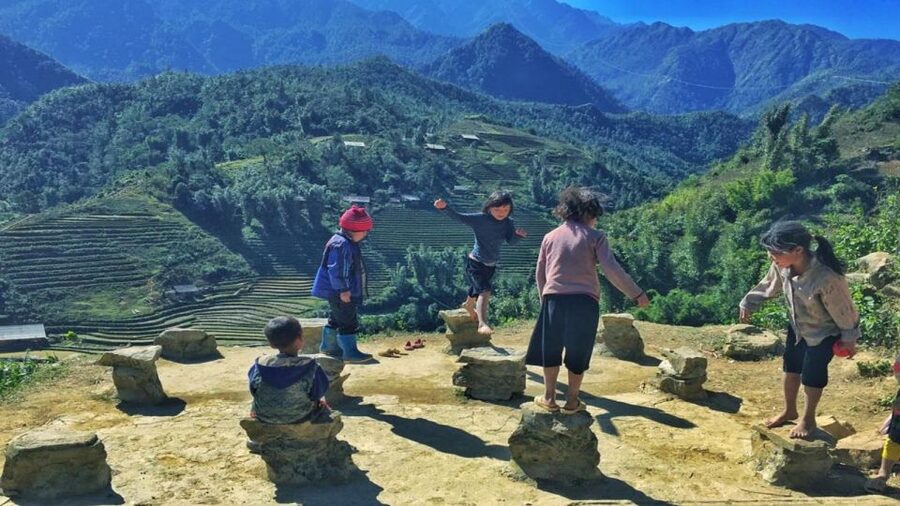
The best part of this trip is the change of pace after Hanoi. Within a day, you are walking from Sapa through Black Hmong villages, crossing a suspension bridge, and following paths through Muong Hoa Valley beneath the Hoang Lien Son range. The scenery is the star, but the homestay gives the trip its human side.
I like the local guides, especially when you are paired with someone such as Jo, Ai, May, or Ay, who can explain village life from personal experience. I also like the simple plan: transport, meals, guiding, entrances, and two nights of lodging are covered. The main drawback is the road journey. Six hours each way is a long time, and communication at stops and driving standards may not always feel as polished as the trekking itself.
Key points to know before booking
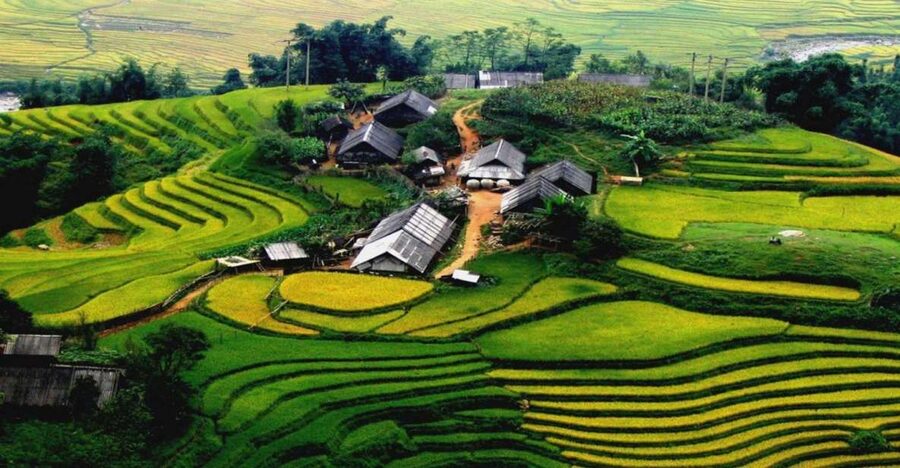
- Sin Chai starts your Sapa experience quietly: This rustic Black Hmong village is close to town but feels far removed from it.
- Muong Hoa Valley supplies the big views: You walk through rice terraces, villages, bamboo forest, and mountain country rather than simply stopping at viewpoints.
- The homestay is central to the trip: Expect shared, basic facilities, not hotel comfort or guaranteed privacy.
- The 9-kilometer trek needs steady feet: It is not suitable for people with mobility impairments, older visitors, or children who are not ready for a sustained walk.
- Local guides make the difference: Guides such as Jo and Ai have adapted routes and walking speeds to suit different abilities.
- The Hanoi transfer takes patience: The limousine is comfortable, but the trip can run six hours or longer in traffic, with occasional confusion around stops.
Why this Sapa trip feels different from a quick day tour
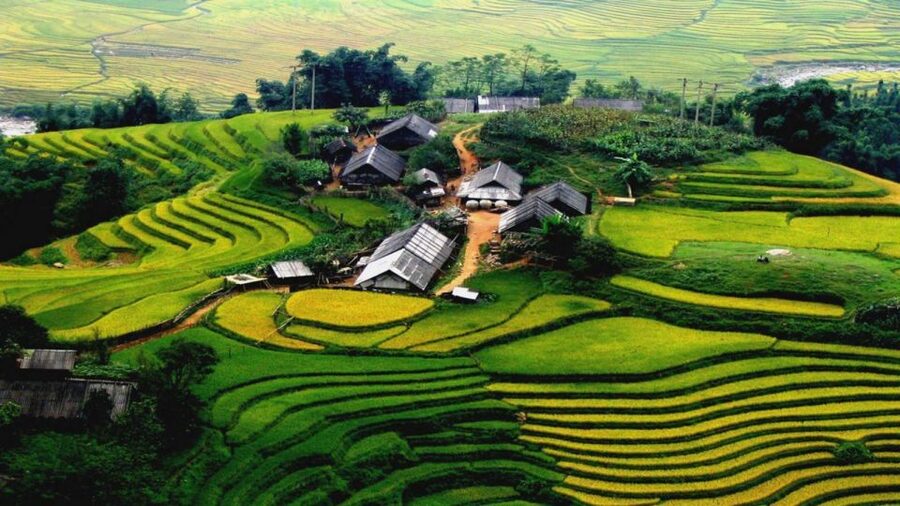
Sapa is easy to visit badly. You can arrive, take a cable car or a short walk, snap a few photos, and leave without seeing much of village life. This three-day trip gives you time to walk between communities and spend an evening in Ta Van.
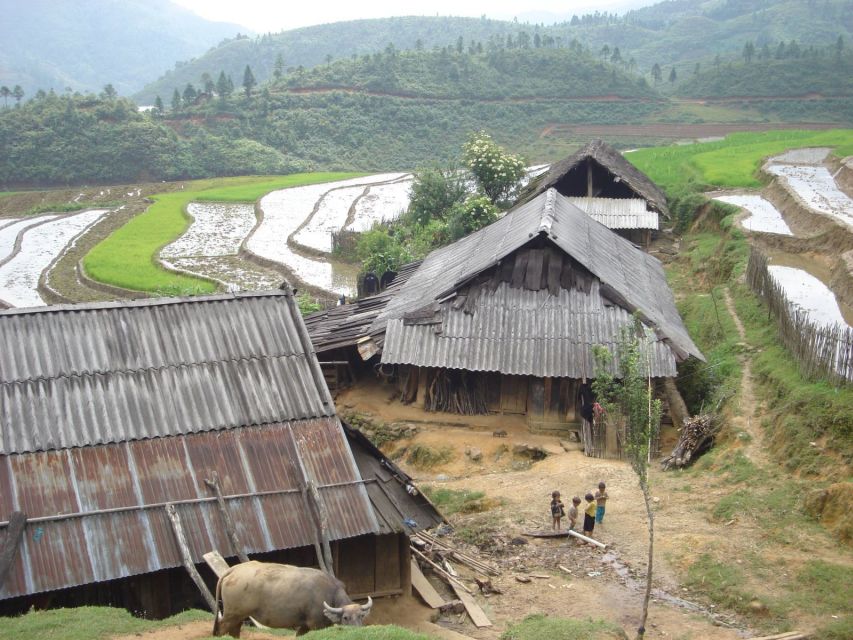
The route covers several ethnic villages, including Black Hmong, Hmong, Zay, and Red Zao communities. You are not simply looking at rice terraces from a roadside platform. You follow footpaths, cross a bridge, pass homes, and see people working around their villages.
That does not make the experience untouched or private. Sapa is a well-visited destination, and local people may walk alongside you asking for money or trying to sell handmade goods at high prices. The practical response is simple: stay with your guide, remain polite, and do not feel obliged to buy anything.
At $165 per person, the price is reasonable if you value a guided trek and included meals. You receive return limousine transport from Hanoi, a Sapa vehicle, an English-speaking guide, two dinners, three lunches, two breakfasts, entrance fees, and two nights of accommodation. Drinks and personal spending are extra.
The value depends on your priorities. If you only want a bed, a private bathroom, and a quick look at Sapa, this is not the right package. If you want the hard work of arranging transport, villages, food, guiding, and a homestay handled for you, it is a useful all-in-one option.
More Private Day Trips in Vietnam:
- 2-Day Sa Pa Ethnic Homestay Tour & Trek with Limousine Bus
★ 4.8 · 440 reviews - Halong bay 5star Cruise Day Trip: Buffet lunch & Limousine bus
★ 5.0 · 388 reviews - Halong Bay Day Tour 6Hour Deluxe Cruise Limousine Bus Small Group
★ 5.0 · 317 reviews
Day 1: From Hanoi to Sin Chai village
Pickup from hotels in Hanoi’s Old Quarter is scheduled for about 6:30 to 7 a.m. The limousine then heads north toward Sapa, with a stated travel time of roughly six hours and two stops for food or toilets.
The vehicle is described as modern and air-conditioned, and several details matter here. A long road ride can be comfortable when the vehicle is good, but the day still starts early and takes up much of your first day. Stop times may be shorter than expected, and communication can be unclear when the vehicle arrives in Sapa. Keep your day bag with you and listen carefully when the driver announces a stop.
Driving is another point to consider. Some departures have involved fast or aggressive driving, so this is not the part of the trip to expect a calm railway-style journey. You cannot control the road, but you can bring water, snacks, medicine, and something warm for the air conditioning.
After lunch at a local restaurant in Sapa, you check into the hotel and have time to rest. This pause is welcome, especially after leaving Hanoi early. The guide then takes you southwest toward Sin Chai village for a trek of about 4 kilometers.
Sin Chai is associated with the Black Hmong people. Its appeal is its modest, rural character. It is more than 2 kilometers from central Sapa, close enough to reach without a major transfer but far enough to offer a quieter setting than the town streets.
The walk gives you your first real taste of the trip. Instead of rushing between attractions, you move through a village where everyday life is part of the view. Your guide can explain what you are seeing and help you understand the setting without turning the walk into a string of photo stops.
You return to the hotel to freshen up before dinner. In the evening, you can explore Sapa on your own, perhaps stopping for roasted corn or baked eggs beside a charcoal fire. The night market atmosphere and small food stalls add a simple local touch, though Sapa town itself is more commercial than the villages on the trek.
One awkward point is that guide pickup has not always felt perfectly coordinated on the first day. In one reported case, the guide arrived late enough that part of the walk took place in darkness, with a van used for the final hour. That does not describe every departure, but it is a reason to keep your phone charged and clarify the plan after checking in.
Day 2: Muong Hoa Valley, Y Linh Ho, Lao Chai, and Ta Van
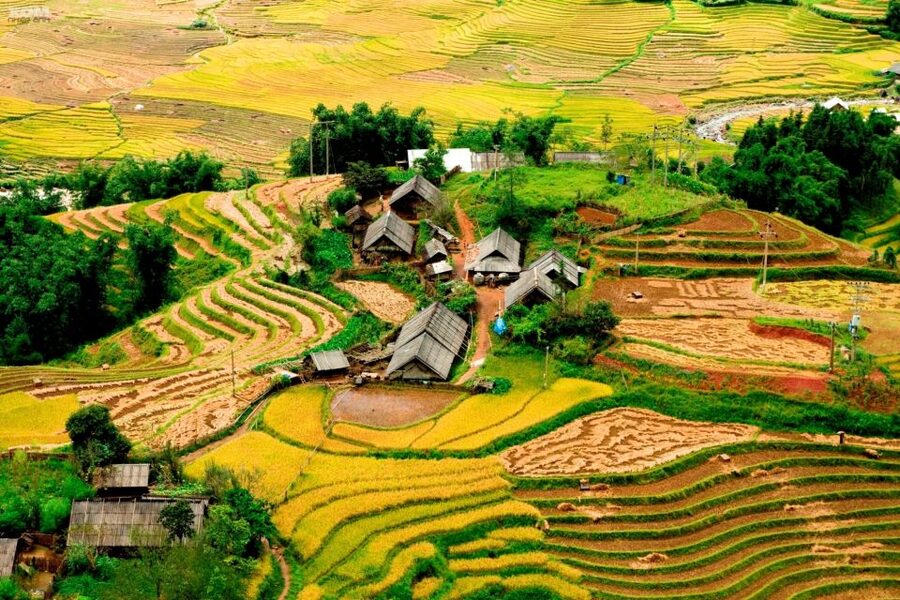
Day two is the heart of the trip. After breakfast, you check out and begin walking toward Muong Hoa Valley.
The route follows the main road for about an hour before turning onto a downhill footpath. This change is important. The road section is less scenic and can feel like a warm-up, while the footpath brings you closer to the terraces and mountain slopes.
The Hoang Lien Son range provides the grand setting, but weather controls how much you see. Sapa can be foggy from December through March, and rain or mist can hide distant peaks. Do not judge the walk only by the forecast. Wet weather can make the paths more difficult, but mist also gives the valley a moody, mountain feel. Bring a waterproof layer rather than assuming clear skies.
You cross a suspension bridge to reach Y Linh Ho village. Here, the guide can introduce you to Hmong families and point out the work taking place around the homes. This is one of the more valuable parts of the day because you are seeing the village as a lived-in place, not a staged cultural stop.
The trail continues toward Lao Chai. Lunch comes during the route, then you walk for about two more hours through the hills. This is where the trip earns its medium-trek label. You need shoes with a reliable grip, a reasonable level of fitness, and the willingness to walk on uneven, sometimes slippery ground.
The guide matters greatly here. Jo has been praised for keeping a clear pace and explaining arrival times, meals, and luggage arrangements. Ai has also adjusted routes when parts of the walk became too difficult and assisted when needed. Those details are more useful than a generic promise of an English-speaking guide. A good guide helps you manage the day, not just name the villages.
From Lao Chai, the route follows the river toward Ta Van, home to the Zay people. The river, terraces, and slopes give this part of the walk a changing rhythm. You are not walking through one continuous attraction. You pass from one community to another, with the valley opening and narrowing as the trail follows the terrain.
Ta Van is where the cultural side becomes strongest. You visit local homes and spend the night in a homestay. Depending on the arrangements, the homestay may be on the first or second night, so confirm the exact plan before departure.
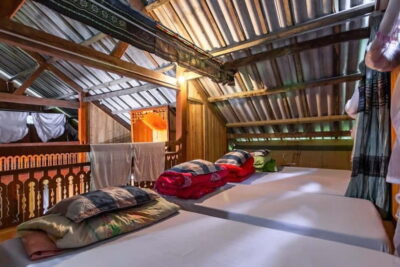
Do not picture a small private cottage with hotel facilities. The accommodation can be a shared dormitory or barn-like room with mattresses on the floor, open sleeping areas, and limited bathrooms. One setup had roughly 20 mattresses in a shared space and one bathroom for more than 10 people. Privacy may be close to zero, and noise is part of the bargain.
That sounds basic because it is. Yet the evening meal can be the most memorable part of the trip. The homestay allows you to eat with a local family, and you may be invited to help prepare food. Some accommodation has been described as clean and comfortable enough, with warm hosts who welcome visitors into the household.
Bring modest expectations and a sleeping layer. Facilities differ from those in Sapa hotels, and the weather can turn cold. A scarf, hat, warm clothes, and personal medicine are sensible additions. If you need a private bathroom or quiet sleep, ask about the accommodation option before you pay.
Day 3: Bamboo forest, waterfall, and Giang Ta Chai
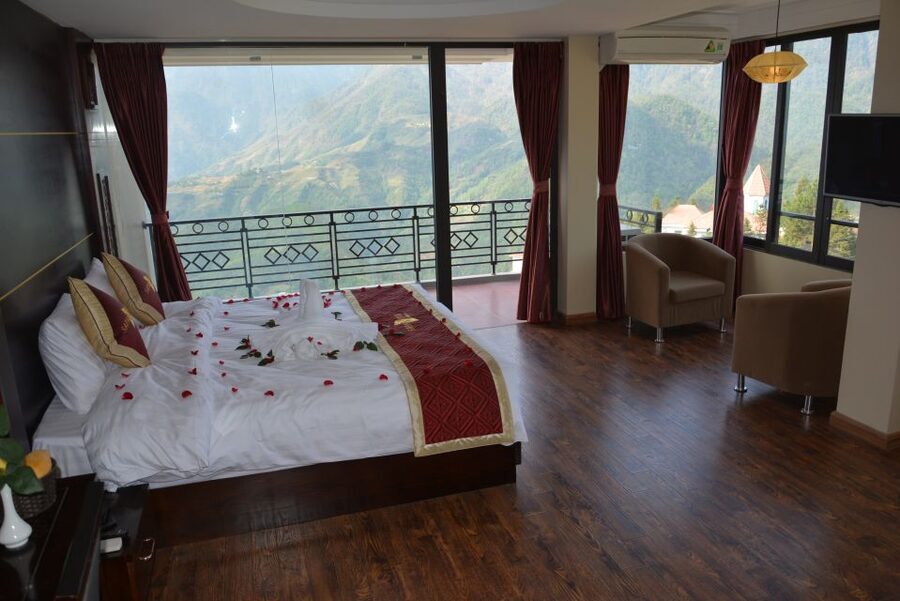
After breakfast, you leave Ta Van on an uphill trail. The morning route passes terraced rice fields and small Hmong hamlets before entering a bamboo forest.
The bamboo section gives the walk a different character from the broad valley views. You then reach a waterfall, where you have time to rest before continuing for about 30 minutes to Giang Ta Chai village.
Giang Ta Chai is associated with the Red Zao people. The route is not just a final photo stop. It links the homestay, forest, water, terraces, and village life in a single morning, which makes the last walking section feel like a proper finish rather than an afterthought.
Lunch is served near the village, followed by time to relax and prepare for the return journey. The limousine pickup is scheduled for 2 p.m. The drive back to Hanoi takes about five or six hours, depending on traffic, with arrival expected around 8:30 to 9:30 p.m.
That late return has practical consequences. Do not plan an early flight or an important evening booking in Hanoi. If the road is slow, you will want flexibility. The long return also means the trip is best for people who can handle three full days of movement, rather than those seeking a gentle weekend outing.
More walks and hikes in Vietnam:
- From Hanoi: 2-Day Sapa Trek Tour – Luxury Limousine Transfer
★ 4.1 · 249 reviews - From Hanoi: 3-Day Sapa Trekking with Limousine Transfer
★ 4.3 · 30 reviews - Sa Pa 2-Day Moderate Trek and Homestay Limousine Tour from Hanoi
★ 4.5 · 21 reviews - 2 Day-2 Night Sapa Trekking: Overnight Train &Limousine Bus
★ 3.9 · 7 reviews
What the guide and group experience mean for you
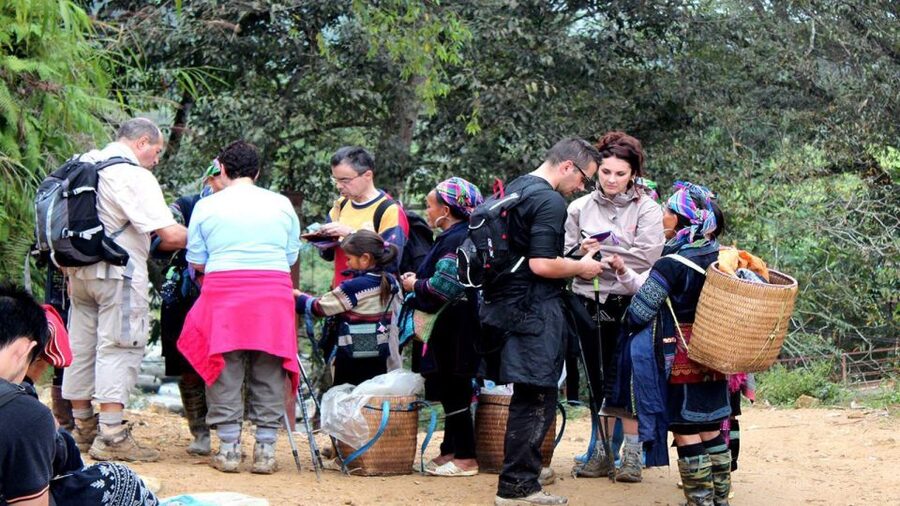
This is a shared tour, so the guide must balance different walking speeds and comfort levels. That can work well when the guide is attentive. Jo, Ai, May, and Ay have each been associated with warm, personal guiding, local explanation, and route adjustments.
Do not assume you will receive a particular guide. Names and assignments can change. What you should expect is an English-speaking local guide in Sapa, with the best experience coming when you speak up about your pace, tiredness, or concerns.
The guide is also useful for handling the social pressure along the trail. Some local people may accompany you for long stretches and later ask for money or push expensive goods. This is a known problem in the area. Stay with the official guide and treat purchases as optional, not as part of the walking experience.
The tour includes a modern bus for transport within Sapa, but the main value of the guide comes on foot. A local guide can explain where the trail goes, help with slippery sections, and add meaning to what would otherwise be a very scenic walk.
What to pack for changing Sapa weather
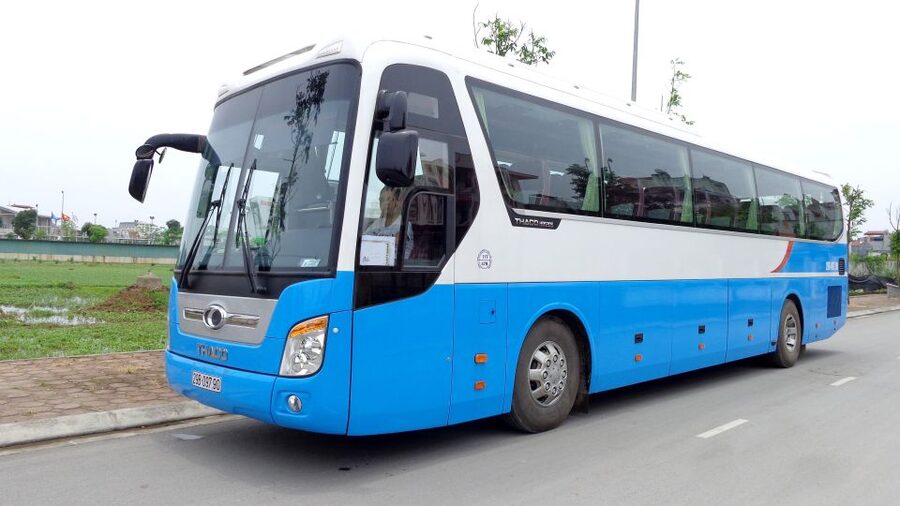
Comfortable shoes are the minimum. For this route, I would choose trekking shoes with good grip rather than soft trainers. You should also bring:
- Warm layers, including a scarf and hat
- Rain protection
- Sunglasses and sun cream
- Insect repellent
- Personal medicine
- Cash in Vietnamese dong
- Water and small snacks for the road journey
- A small bag for the walking sections
Sapa weather is unpredictable. September through March is normally cold, and December through March can bring fog. Rain may reduce the views, so pack for walking first and photographs second.
Cash is useful because the banking system in Sapa may not work reliably. US dollars, euros, and Australian dollars are also accepted in Sapa, but Vietnamese dong is the safest choice for small purchases and local expenses.
Who should book this trip
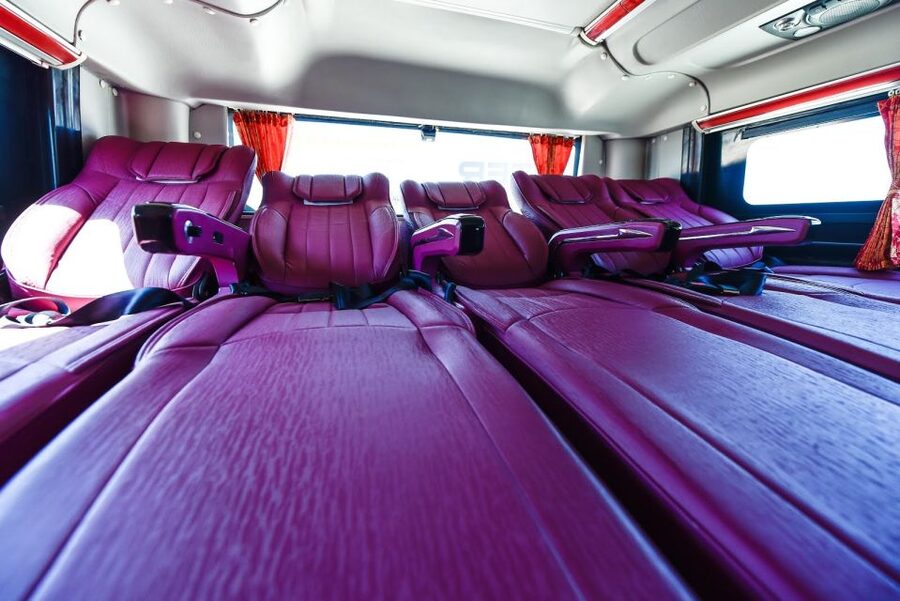
I would recommend it to an active visitor who wants more than Sapa town and prefers village paths to a packed sightseeing schedule. It suits couples, friends, and solo adults who are comfortable sharing a homestay and walking on uneven ground.
It is less suitable for children, older people, or anyone with mobility limits. The 9-kilometer trek is specifically not recommended for older visitors or children, and the route includes hills, downhill paths, a suspension bridge, and potentially wet ground.
You should also think carefully about comfort. This trip gives you a hotel in Sapa, but the homestay may be communal and rustic. If you sleep lightly, need privacy, or dislike basic bathrooms, the overnight portion may outweigh the appeal of the valley walk.
Should you book the $165 Sapa trip?
Book it if you want the main ingredients handled in one package: Hanoi transfers, a local guide, village walks, meals, a homestay, and time in Muong Hoa Valley. The strongest parts are the guides, the direct contact with village life, and the chance to see rice terraces without spending several extra days arranging transport.
Think twice if you want polished logistics from start to finish. The Hanoi road journey can be long, stops may be poorly explained, driving can feel uncomfortable, and the homestay is basic. Ask about the exact sleeping arrangement and confirm pickup details before departure.
For an active visitor who accepts a little roughness in exchange for a closer look at Sapa’s villages, this is good value. The trip is not about luxury. It is about walking slowly enough to see how the valley, terraces, homes, and people fit together.
FAQ
How long is the journey from Hanoi to Sapa?
The limousine journey takes about six hours in each direction. The return can take five or six hours, depending on traffic, with arrival in Hanoi around 8:30 to 9:30 p.m.
Where does pickup take place in Hanoi?
Pickup is included from accommodation in Hanoi’s Old Quarter. Collection is scheduled for around 6:30 to 7 a.m.
What villages does the trek visit?
The itinerary includes Sin Chai, Y Linh Ho, Lao Chai, Ta Van, and Giang Ta Chai. These communities are associated with Black Hmong, Hmong, Zay, and Red Zao people.
Is the homestay similar to a hotel?
No. Homestay facilities are more basic than hotel facilities in Sapa. Sleeping may be in a shared room with mattresses on the floor, and privacy and bathroom access can be limited.
How difficult is the trek?
The advertised trek is 9 kilometers and is not recommended for older people, children, or anyone with mobility impairments. You should bring trekking shoes and be ready for hills and uneven paths.
Are meals included?
Yes. The package includes two dinners, three lunches, and two breakfasts. Beverages and personal expenses are not included.
What happens if the weather is cold or foggy?
Sapa can be cold from September through March, with fog sometimes occurring from December through March. Bring warm clothes, a scarf, a hat or cap, and suitable walking gear.
More three-day trips in Vietnam
- From Hanoi: Premium 3-Day Sapa Adventure with DCAR Limousine
★ 4.8 · 27 reviews
New limousine trips in Vietnam
- From Hanoi : Ninh Binh Day Trip by Limousine with Lunch★ 5.0 · 2 reviews
- Ha Long Bay Cruise w/ Jacuzzi, Kayak & Limo from Hanoi★ 5.0 · 3 reviews
- Da Nang: One-Day Hue Discovery with Luxury Private Limousine★ 5.0 · 4 reviews
- Da Nang: Ba Na Hills and Golden Bridge Limousine Tour★ 5.0 · 2 reviews
- Hanoi:Best 5-Star Ha Long 1 Day Tour with limousine transfer★ 3.3 · 4 reviews
- 1 Day/Half Day Hanoi City Tour With Limousine Bus & Lunch★ 5.0 · 4 reviews
- 2 Day-2 Night Sapa Trekking: Overnight Train &Limousine Bus★ 3.9 · 7 reviews
- Sapa Trek 2days/1night -HOTEL 5 STAR-From Hanoi by Limousine Van★ 3.5 · 2 reviews
Private Day Trips by Car, compared.
2-Day Sa Pa Ethnic Homestay Tour & Trek with Limousine Bus
Read our review →
Halong bay 5star Cruise Day Trip: Buffet lunch & Limousine bus
Read our review →
Halong Bay Day Tour 6Hour Deluxe Cruise Limousine Bus Small Group
Read our review →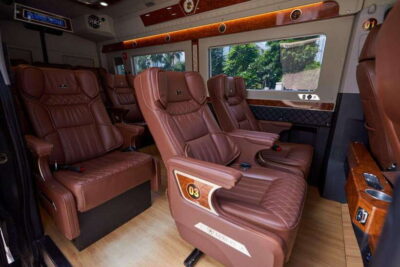
2-Day Sapa Trek Tour – Luxury Limousine Transfer
Read our review →
2-Day Overnight Sapa Tour by Luxury Van Limousine
Read our review →
Ninh Binh Luxury Day Tour by Limousine- Small Group- All included
Read our review →
Ninh Binh Day Tour Tam Coc Mua Cave Hoa Lu Buffet Lunch Limousine
Read our review →
Ninh Binh, Hoa Lu, Tam Coc, & Mua Cave Day-Trip
Read our review →Lists this ride appears in