
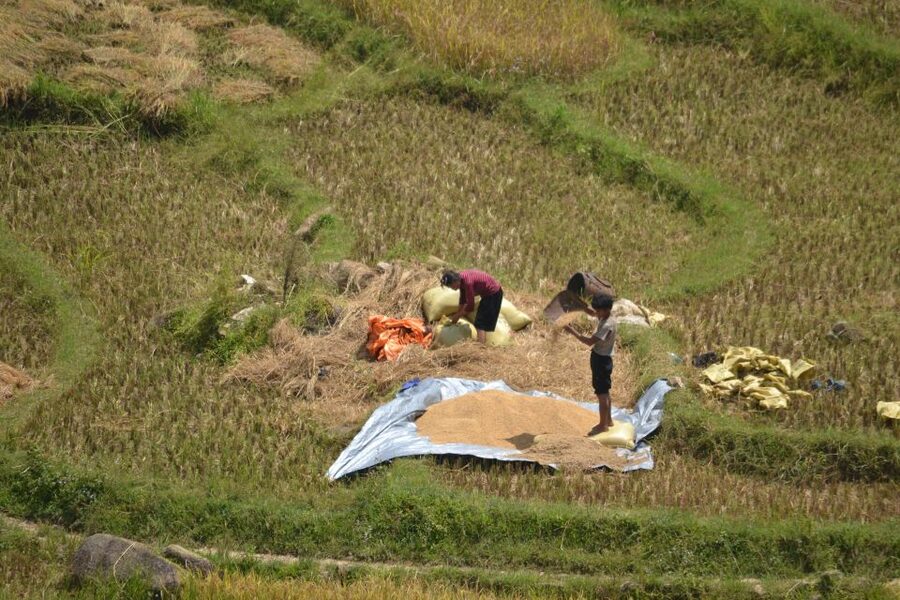
REVIEW · LIMOUSINE BUS TRANSFERS
2 Day-2 Night Sapa Trekking: Overnight Train &Limousine Bus
Sapa makes you trade city comfort for high mountain scenery, village paths, and a night train that is part of the adventure. This two-day trip links Hanoi with Sapa by rail in one direction and a limousine bus in the other, so you do not repeat the same journey twice.
I like the chance to visit Ma Tra and Ta Phin, which are less visited than Sapa’s best-known stops. I also like the practical setup: a local English-speaking guide, one hotel night in central Sapa, meals, and transfers are bundled into the $136 price.
The main caution is the trekking. In wet weather, the 10-kilometer route can become steep, muddy, and slippery, with uphill and downhill sections that some people may find unsafe. The train is also functional rather than comfortable, and the four-person cabin may feel tight.
Key points to know before booking
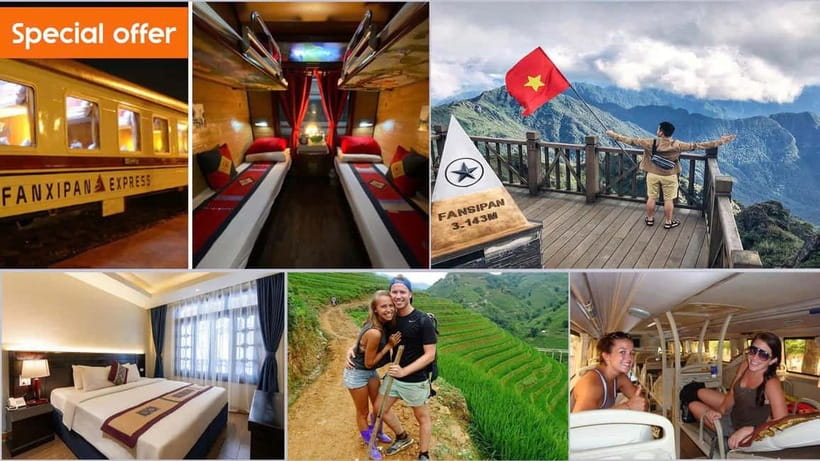
- Two different ways to reach Hanoi and Sapa: Take a soft-sleeper night train from Hanoi to Lao Cai, then return by limousine bus.
- Less touristy village visit: Ma Tra and Ta Phin introduce you to Black H’Mong and Red Dzao communities.
- A serious afternoon walk: The Lao Chai to Ta Van route can cover about 10 kilometers over muddy, uneven ground.
- Central Sapa hotel: Spend one night at a 3-star hotel with breakfast and a chance to shower after the overnight train.
- Flexible second morning: Explore Sapa town, visit the church or market, or pay extra for Fansipan cable car arrangements.
- Best for active visitors: The price is good if you value transport, meals, guiding, and a hotel, but less appealing if you want a gentle sightseeing trip.
Why this Hanoi to Sapa route works

Sapa sits at about 1,650 meters in northern Vietnam, in an area associated with the Black H’Mong and Red Dzao peoples. The appeal is not one single sight. It is the combination of mountain views, village paths, local life, and the chance to spend time outside the city.
This tour uses a smart transport pattern. You travel north from Hanoi overnight by train, then return during the day by limousine bus. That saves one hotel night in Hanoi and gives you two different views of the journey. The train is also a distinctive part of the trip, though you should treat it as transport with a bit of character, not a luxury sleeper.
The package costs $136 per person. That includes the Hanoi station transfer, soft-sleeper train ticket, Sapa transfers, meals listed in the schedule, a local English-speaking guide, entrance fees, one hotel night, and the limousine bus to Hanoi. For a short trip, that is a useful bundle. You are paying for convenience as much as for sightseeing.
The value drops if you dislike fixed schedules or prefer to choose your own restaurants and transport. It also drops if you want a fully private experience, since the train cabin is shared by four people and the main village outings use a group arrangement.
More Limousine Bus Transfers in Vietnam:
- 2-Day Sa Pa Ethnic Homestay Tour & Trek with Limousine Bus
★ 4.8 · 440 reviews - Halong bay 5star Cruise Day Trip: Buffet lunch & Limousine bus
★ 5.0 · 388 reviews - Halong Bay Day Tour 6Hour Deluxe Cruise Limousine Bus Small Group
★ 5.0 · 317 reviews
Night train from Hanoi to Lao Cai
The first evening starts with pickup at your Hanoi hotel or a designated meeting point. You are taken to Hanoi Railway Station and placed in a soft-sleeper, air-conditioned cabin for four people.
Bring warm clothes. That advice matters most from November through March, but mountain weather can change at other times too. A small bag with water, basic toiletries, and clothes for the next morning will be easier to manage than opening a large suitcase in a compact cabin.
The train is part of the attraction, but comfort is mixed. One practical assessment called the train and the return bus borderline, while another described sleeping on the train as hard. The cabin gives you a bed and air conditioning, but noise, movement, limited space, and shared sleeping arrangements may affect your rest.
A heavy rain disruption is also possible. On one occasion, the train was canceled and the operator arranged a sleeper bus instead, along with a short train station visit. That shows useful flexibility, but it also tells you not to expect perfect control over northern Vietnam’s transport system. Weather can change the plan.
The pickup and station transfer received strong praise for organization. That is important on a late departure, when finding the right platform or vehicle can be more stressful than the actual ride. Still, the package does not include drinks or snacks, so carry your own supplies.
Early arrival and breakfast in Sapa
A driver collects you at Lao Cai station around 5:00 to 5:30 in the morning. A joining vehicle takes you up to Sapa, which sits considerably higher than Lao Cai.
The schedule allows time to refresh and eat breakfast at the hotel before the morning visit. This is one of the better features of the plan. After a night on a moving train, being able to wash, change, and sit down for breakfast makes the first day much more manageable.
Do not expect a long rest. The village program begins around 8:00 or 8:30. You will be starting the sightseeing day soon after arriving, so the trip suits people who can function on limited sleep.
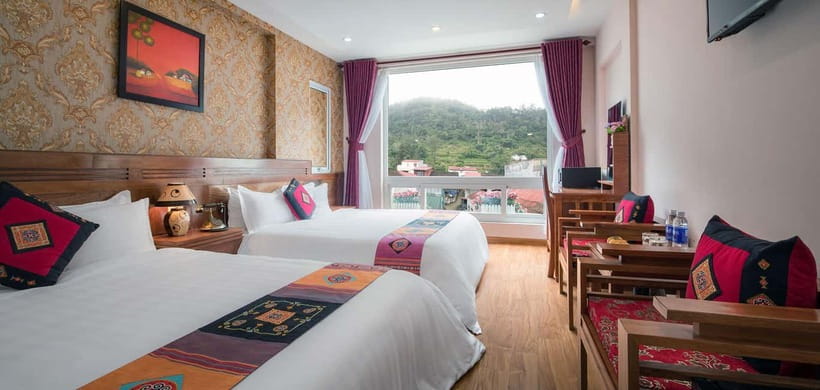
The hotel is a 3-star property in central Sapa, based on twin sharing. Its main value is location and recovery time rather than luxury. You can return after the walk, shower, eat dinner, and go out to see the town on your own.
Solo visitors should note the additional $20 per room per night fee. The standard arrangement is twin sharing, so single occupancy costs extra.
Ma Tra and Ta Phin: a quieter morning visit

The first outing takes you to Ma Tra and Ta Phin, with a short walk through areas connected to the Black H’Mong and Red Dzao communities.
This section is a good match for you if you want cultural context without spending the entire morning on a hard trail. The local guide can explain the communities, daily life, and customs in a way that a driver-only tour cannot. The guide is also useful for helping you understand what you are seeing instead of reducing the visit to photographs and quick stops.
Ta Phin is associated with the Red Dzao, while the wider route also introduces Black H’Mong communities. Those names matter because Sapa is not simply a scenic mountain resort. Different ethnic groups have their own dress, traditions, and village identities. A local guide helps place the communities in context.
The morning walk is described as short, but conditions can still be uneven. Wear shoes with a firm grip, not city sneakers with smooth soles. Sapa’s paths can become slick after rain, and a short walk is not automatically an easy one.
After Ma Tra and Ta Phin, you return to Sapa for lunch. Meals listed in the program are included, but drinks and personal purchases are not. If you want coffee, bottled water, or extra snacks, budget for those separately.
More walks and hikes in Vietnam:
- From Hanoi: 2-Day Sapa Trek Tour – Luxury Limousine Transfer
★ 4.1 · 249 reviews - From Hanoi: Sapa 3-Day Medium Trek and Limousine Trip
★ 4.5 · 59 reviews - From Hanoi: 3-Day Sapa Trekking with Limousine Transfer
★ 4.3 · 30 reviews - Sa Pa 2-Day Moderate Trek and Homestay Limousine Tour from Hanoi
★ 4.5 · 21 reviews
Lao Chai to Ta Van: the demanding afternoon
From about 2:30 in the afternoon, you choose between the long trek from Lao Chai to Ta Van or a Cat Cat village visit with a waterfall.
The Lao Chai to Ta Van route is the more demanding choice and the main reason I would not describe this as a light sightseeing excursion. The walk can run about 10 kilometers and includes uphill and downhill sections. In wet conditions, mud and slippery ground can make it tiring and, at times, risky.
One direct account described a muddy route with steep sections and falls caused by slippery ground. That is a serious warning, not a minor complaint. Before choosing this option, ask yourself if you are comfortable walking for several hours on uneven mountain paths. Good physical condition helps, but the weather still matters.
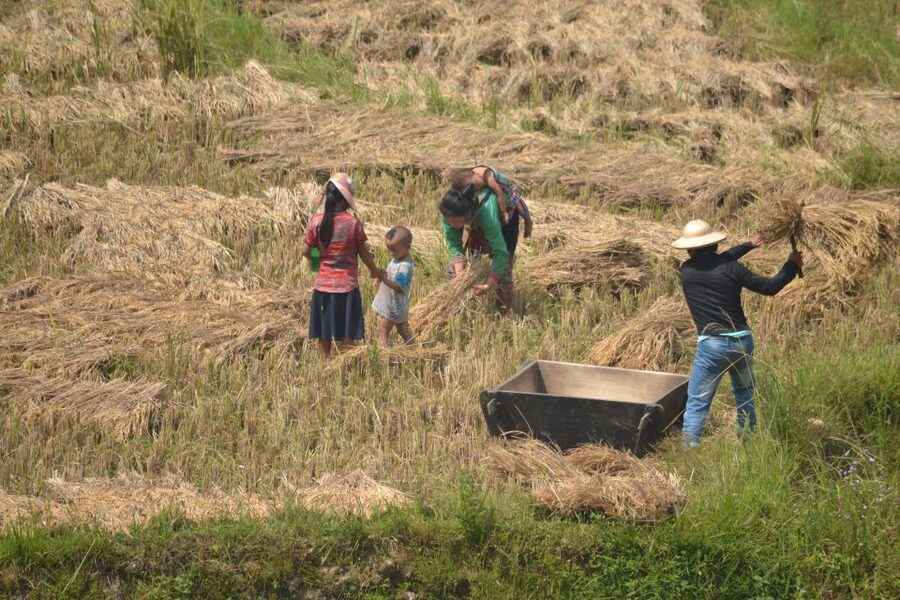
The route is rewarding because it takes you through the Sapa area on foot rather than keeping you inside a vehicle. You see mountain scenery and village life at a slower pace. But the experience depends heavily on conditions and on how clearly the guide explains the route before you start.
I would ask the guide about the day’s ground conditions, total walking distance, steep parts, and alternatives. Bring shoes with traction, a light rain layer, and enough water. Do not assume that a tour labeled trekking will feel like a gentle country walk.
If the ground is very wet, the Cat Cat option may be worth considering. The supplied details describe it as a village walk with a waterfall, but do not provide a precise distance or difficulty level. Ask for those details before deciding. The choice gives you some control, which is useful when the weather turns poor.
After the afternoon outing, you return to the hotel for a shower and dinner. Later, you can explore central Sapa independently. This free evening is welcome after the long walk, though your energy may be limited.
A free morning in Sapa, with Fansipan as an option
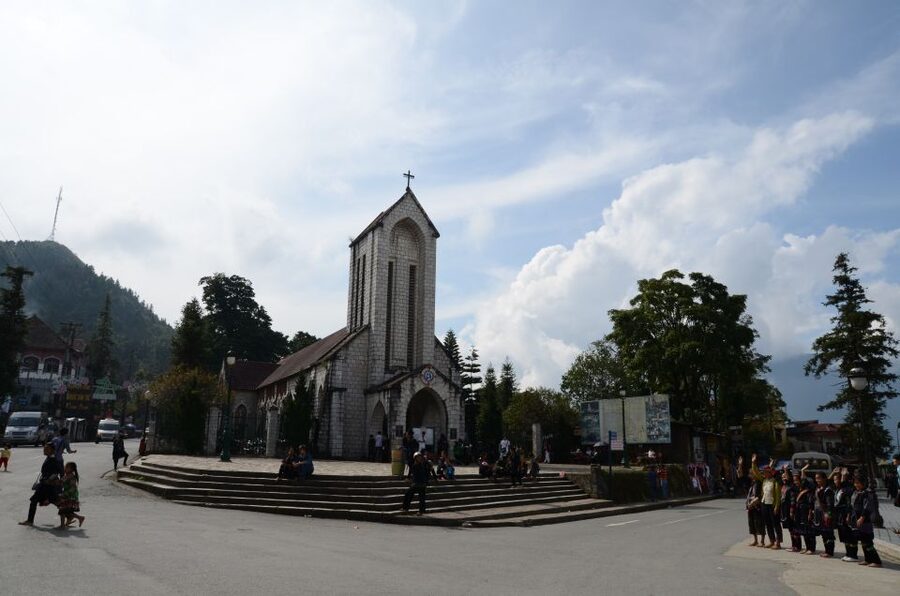
The second day begins with breakfast around 7:30. The default plan is free time in Sapa, giving you a slower morning after the first day.
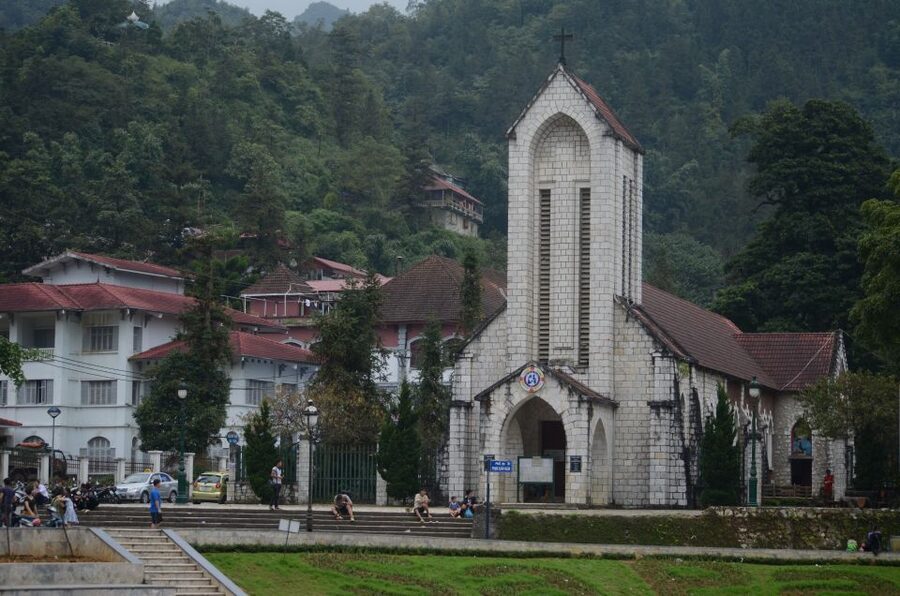
You can visit the church, browse the local market, or stop at the Sapa Museum. These are simple choices, but they let you set the pace. If the previous day left you tired, staying close to town is sensible. You can also use the morning for a relaxed meal or a final look at the mountain views.
Fansipan is available as an optional add-on. The operator can arrange transfer and cable car tickets, but these are not included in the $136 price. The extra cost listed is $20 per person for the transfer and $36.50 per person for the return cable car ticket.
That makes Fansipan a worthwhile choice only if reaching the summit is a priority for you. It will add cost and use much of your free morning. The program does not promise clear weather or views, so keep expectations flexible. If you want a calm second morning, Sapa town is the safer choice.
After lunch, you return to the hotel before boarding the limousine bus between 1:30 and 2:00 in the afternoon.
The limousine bus back to Hanoi
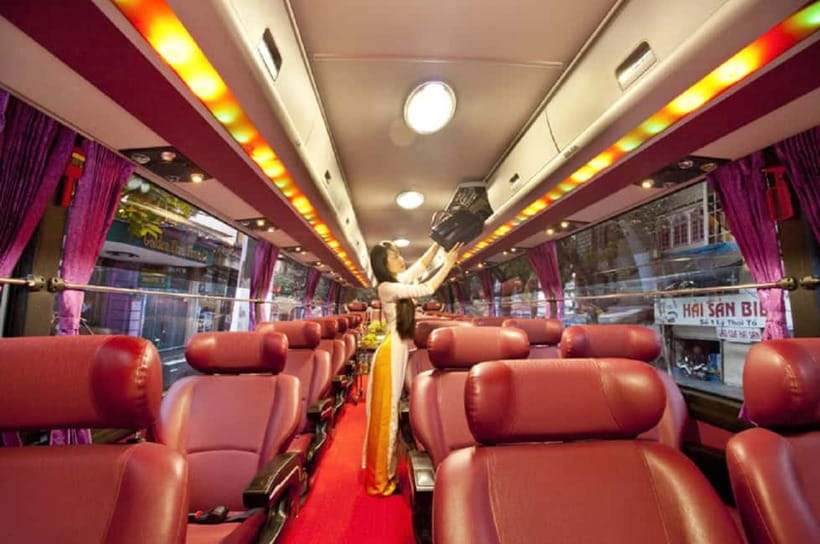
The return vehicle is described as a limousine bus with 28 spacious seats. The journey takes most of the afternoon and evening, with arrival in Hanoi at about 8:30 p.m. You make your own way back to your hotel.
The bus is more straightforward than the night train, but it is still a long ride after an active morning. One account described the bus, along with the train, as less than comfortable, mentioning rest berths. The exact vehicle can vary, so I would not book this expecting premium coach service.
The benefit is that you travel during daylight and avoid another overnight journey. You also finish the trip in Hanoi the same day, rather than paying for another night in Sapa.
Plan your final evening carefully. An 8:30 arrival is approximate, and traffic can affect the schedule. If you have a flight or fixed appointment that night, leave plenty of space.
What the $136 price really buys
At $136 per person, this is a practical package rather than a luxury tour. The cost covers several items that would take time to arrange separately:
- Hanoi hotel pickup or meeting-point transfer to the railway station
- Soft-sleeper train ticket in a four-person air-conditioned cabin
- Lao Cai to Sapa transport
- Sapa transfers
- Meals specified in the program
- Local English-speaking guide
- Entrance fees for Ma Tra, Ta Phin, Lao Chai, and Ta Van
- One night at a central 3-star hotel
- Limousine bus from Sapa to Hanoi
The strongest value comes from the logistics. You do not need to work out the Lao Cai connection at dawn, find a guide in Sapa, arrange village entrance fees, or choose a hotel for a single night.
The weaker points are the basic train, shared cabin, group travel, and possible comfort issues on the return bus. Drinks, tips, personal expenses, Fansipan transfers, and cable car tickets cost extra. Holiday dates also carry a surcharge of 700,000 Vietnamese dong per person for the listed dates, paid directly to the guide.
The provider offers booking with payment later and cancellation up to 24 hours before departure for a full refund. Those terms are useful when weather or transport conditions may affect your plans.
Who should choose this Sapa trip?
I would choose this tour if you have only two days, want both transport experiences, and prefer one organized package. It suits you especially well if you want a local guide for the village visits and do not want to plan the Lao Cai transfer yourself.
It also works for people who like active days but want a hotel bed, breakfast, dinner, and a shower rather than a homestay. The central hotel gives you a base without adding another complicated move.
I would be cautious if you have knee problems, poor balance, or little experience on muddy paths. The long afternoon route is not simply a photo walk. Ask about current conditions and choose the shorter alternative if needed.
I would also look elsewhere if you need a quiet, private, or luxurious trip. The four-person train cabin and group sightseeing are central to the low-effort arrangement. The rating of 3.9 from seven reviews reflects that split: the organization and support can be very good, while transport comfort and trekking conditions can disappoint.
Should you book it?
Book this trip if you value efficient planning, local village visits, and a real mountain walk more than polished transport. The strongest parts are the station support, the local guide, the Ma Tra and Ta Phin visit, and the combination of train and bus travel.
Before paying, confirm the train arrangement, ask about the ground conditions, and decide if you want the Lao Chai to Ta Van trek or the Cat Cat alternative. Bring warm clothes, sturdy shoes, water, and modest expectations for the sleeper train.
Skip it if you want an easy weekend with no physical strain. For an active short visit to Sapa at a reasonable all-in price, it offers good value, but only if you accept the rough edges that come with mountain weather and overnight transport.
FAQ
How long is the Sapa tour?
The experience lasts two days and includes two nights of travel or accommodation: one night on the train from Hanoi to Lao Cai and one night at a 3-star hotel in Sapa.
How do I travel from Hanoi to Sapa?
You take an overnight train from Hanoi to Lao Cai in a soft-sleeper, air-conditioned cabin shared by four people. A vehicle then transfers you from Lao Cai to Sapa.
How do I return from Sapa to Hanoi?
You take a limousine bus from Sapa to Hanoi, leaving around 1:30 to 2:00 p.m. and arriving at about 8:30 p.m.
Is a hotel night included?
Yes. One night at a 3-star hotel in central Sapa is included, based on twin sharing.
Is breakfast included?
Breakfast at the hotel is included in the schedule. The listed meals are included, but drinks are not.
Which ethnic communities can I learn about?
The route visits areas associated with the Black H’Mong and Red Dzao communities, especially around Ma Tra and Ta Phin.
How difficult is the trekking?
The Lao Chai to Ta Van route can be about 10 kilometers, with uphill and downhill sections. Mud and slippery ground may make it difficult, particularly after rain.
Is there an alternative to the Lao Chai to Ta Van walk?
Yes. You can choose a Cat Cat village visit with trekking and a waterfall instead. The available details do not specify its exact distance or difficulty.
Is Fansipan included?
No. Fansipan is optional. The listed extra charges are $20 per person for the transfer and $36.50 per person for the return cable car ticket.
What should I bring?
Bring warm clothes, especially from November through March, along with sturdy walking shoes. Drinks, tips, and personal expenses are not included.
More two-day trips in Vietnam
- From Hanoi: 2-Day Sapa Limo Bus Tour & Fansipan Peak Visit
★ 4.6 · 277 reviews - From Hanoi: 2-Day Overnight Sapa Tour by Luxury Van Limousine
★ 4.5 · 210 reviews - From Hanoi: 2D1N Ha Long Bay Deluxe Cruise with Bus Limousine
★ 5.0 · 185 reviews - From Hanoi: 2-Day Overnight Sapa Tour by Limousine
★ 4.2 · 114 reviews
More evening rides in Vietnam
- Ninh Binh Luxury Tour 2 Days 1 night by limousine See Hidden Gems
★ 5.0 · 48 reviews - 2 Days 1 Night Ban Gioc Waterfall Tour from Hanoi By Limousine
★ 4.5 · 35 reviews - Stretch Limo Private Day & Night Custom Tours of Washington DC
★ 5.0 · 92 reviews - Tour of Paris by limousine by day or night.
★ 4.8 · 75 reviews
New limousine trips in Vietnam
- From Hanoi : Ninh Binh Day Trip by Limousine with Lunch★ 5.0 · 2 reviews
- Da Nang: One-Day Hue Discovery with Luxury Private Limousine★ 5.0 · 4 reviews
- Ha Long Bay Cruise w/ Jacuzzi, Kayak & Limo from Hanoi★ 5.0 · 3 reviews
- Da Nang: Ba Na Hills and Golden Bridge Limousine Tour★ 5.0 · 2 reviews
- Hanoi:Best 5-Star Ha Long 1 Day Tour with limousine transfer★ 3.3 · 4 reviews
- 1 Day/Half Day Hanoi City Tour With Limousine Bus & Lunch★ 5.0 · 4 reviews
- Sapa Trek 2days/1night -HOTEL 5 STAR-From Hanoi by Limousine Van★ 3.5 · 2 reviews
- Limousine Bus SAPA – HANOI★ 5.0 · 3 reviews
Limousine Bus Transfers, compared.
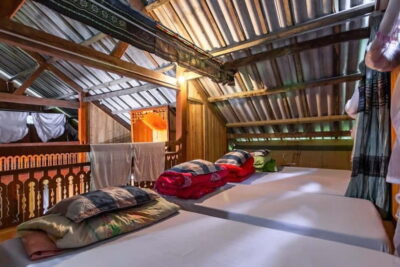
2-Day Sa Pa Ethnic Homestay Tour & Trek with Limousine Bus
Read our review →
Halong bay 5star Cruise Day Trip: Buffet lunch & Limousine bus
Read our review →
Halong Bay Day Tour 6Hour Deluxe Cruise Limousine Bus Small Group
Read our review →
Hanoi City Tour Full Day Small Group, Lunch, Limousine Bus
Read our review →
Luxury Hoa Lu Tam Coc Mua Cave 1 Day With Limousine Bus And Lunch
Read our review →
Halong Bay Day Trip 6hour: Buffet Lunch,Limousine bus,small group
Read our review →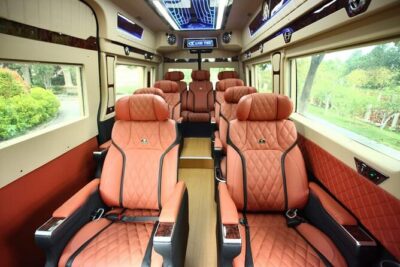

Luxury Hoa Lu Trang An Mua Cave Amazing View – Small Group Tour – Limousine Bus
Read our review →Lists this ride appears in